A Guide to Buying Property in Spain
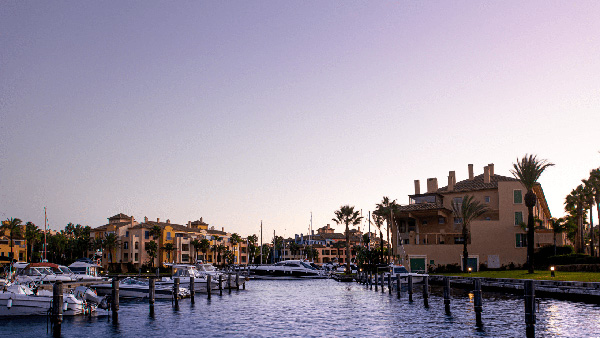
Are you considering a move overseas or investing in international real estate? Spain, with its rich culture, stunning landscapes, and favorable climate, has long been a popular choice for individuals looking to purchase property abroad. In the past Sunday’s edition and training of the Move Overseas Now Club Call, we dove into the world of Spanish real estate with James Lever from Rob Laver Property Consultants—a family-run property consultancy in Sotogrande, Andalusia. James shares valuable insights into the real estate market in Spain, the buying process, associated fees, and more. Whether Spain is your top choice or you're exploring other EU countries, this episode provides valuable information applicable to your real estate journey.
1.- Understanding the Buying Process:
- Setting a budget and exploring mortgage options.
- Contacting a local real estate agent to view properties.
- Making formal offers and negotiating with the property owner.
- Engaging a lawyer to draft a private contract and finalize terms.
- Signing the title deeds at the notary for property ownership.
2 .-Overview of Fees:
- New build property: 10% of the purchase price (including 2% for lawyers and notary fees).
- Resale property: Approximately 10% of the purchase price (including 2% for lawyers and notary fees).
- Land purchase: 7% stamp duty (if buying from an individual) or 21% VAT (if buying from a developer).
3.- Buying Land and Building:
- Purchasing land and building on it requires finding a trusted partner.
- Stamp duty for land is 7% when buying from an individual or 21% when buying from a company.
- Most land purchases in Spain involve individuals rather than developers.
4.- Annual Taxes and Insurance:
- Annual property tax (IBI) varies based on property size.
- For a 110 sq. m apartment, the approximate tax would be €1,300 per year.
- Home insurance is not mandatory but can be obtained from private insurance companies.
5.- Property Warranties:
- Resale properties do not come with warranties, and buyers should conduct due diligence.
- New build properties often offer a one-year warranty period for snag-checking and addressing issues.
6.- Mortgage and Life Insurance:
- Life insurance requirements may vary by country, and it's not mandatory in Spain.
- The need for life insurance might depend on the lender or personal preferences.
- Loan terms in some countries, like Portugal, may have restrictions based on the borrower's age.
7.- Other Considerations:
- Different countries have distinct regulations and practices regarding mortgages and insurance.
- It's essential to research and understand the specific requirements of the country you're considering.
Purchasing real estate in Spain presents an exciting opportunity for individuals seeking a new home or investment property. James Laver's insights from Rob Laver Property Consultants provide a comprehensive guide to navigating the Spanish real estate market. Whether you are interested in Spain specifically or considering other European countries, the fundamentals of the buying process, associated fees, and important considerations remain similar. Take advantage of this valuable information to embark on your international real estate journey with confidence. Join the Move Overseas Now Club here to watch the full episode.
Don’t miss out on the opportunity to join the Move Overseas Now Club, I’d love to have you! We talk about everything moving abroad and I give you 2-90 minute trainings each month. It is a great way for you to stay on track of your move abroad and learn the essentials that you need to know. I’m here to help you find your way.
Are you ready to find your dream home in Spain?
If you're considering buying or investing in real estate in the south of Spain, I highly recommend reaching out to James to help you find your dream property. Whether you're retiring, looking for a holiday getaway, or a family home in Sotogrande, James has got your back.
Ready to Make the Move?
Join the “Abroad in a Year” Masterclass
Are you feeling overwhelmed and uncertain about your move overseas? Researching and planning every detail on your own can be a time-consuming and stressful process.
Join the Abroad in a Year Masterclass, where we’ll guide you through the process of making your move abroad a reality. From visas and residency programs to finding your dream destination, this masterclass has everything you need to start your journey.
Whether it’s Portugal, Spain, Panama, or beyond, this masterclass will help you save hundreds of hours of research and thousands of dollars by giving you a clear, actionable plan to relocate successfully.
Don’t wait for the perfect moment—create it!
Let’s make your dream a reality together!
Frequently Asked Questions
Can Americans buy property in Spain?
Yes. Americans and other foreign nationals can buy real estate in Spain. Purchasing property and obtaining the legal right to live in Spain are separate matters, however, so buyers should consider property, tax, financing, and residency requirements independently.
Do I need an NIE to buy property in Spain?
Foreign buyers generally need an NIE, or Número de Identidad de Extranjero, for Spanish property, tax, banking, and administrative procedures. The NIE is the identification number used for foreigners who have economic, professional, or other dealings with Spain.
What are the main steps for buying a home in Spain?
The process generally includes setting a budget, choosing a location and property, checking its legal status, negotiating the purchase, potentially signing a reservation or arras agreement, arranging financing if needed, completing due diligence, signing the public deed before a notary, paying the applicable taxes and costs, and registering the new ownership with the Property Registry.
What taxes do I pay when buying property in Spain?
The tax treatment depends largely on whether the property is new or previously owned. New residential properties are generally subject to 10% VAT, or IVA, plus regional Stamp Duty, or AJD. Resale properties are generally subject to regional Property Transfer Tax, or ITP. Buyers should also budget separately for applicable notarial, registry, legal, financing, administrative, and other professional costs.
What should I check before buying a property in Spain?
Before committing to a purchase, verify the registered owner and check for mortgages, liens, embargoes, restrictions, or other recorded charges. A nota simple from the Property Registry provides important information about the property’s registered ownership and rights or charges affecting it. Buyers should also investigate matters such as community fees, taxes, planning status, occupancy documentation, and the property’s physical condition where relevant.
What is an arras agreement in Spain?
An arras agreement is a common private pre-purchase agreement under which the buyer pays an amount toward the purchase price. It is not mandatory, but once signed it can create important legal obligations. The consequences of withdrawing depend on the type of arras agreed; for example, under commonly used arras penitenciales, the buyer may lose the deposit if they withdraw, while the seller may have to return twice the amount if the seller withdraws.
Do I need a lawyer to buy property in Spain?
A Spanish notary plays an important impartial role in formalizing and checking the transaction, but the notary does not act solely on behalf of the buyer. Foreign purchasers may therefore choose to engage an independent Spanish lawyer to review contracts, conduct additional due diligence, identify legal risks, and advise specifically on the buyer’s interests.
Does buying property in Spain give me residency?
No. Buying real estate in Spain does not by itself give a new purchaser the right to reside in Spain. Spain’s former investor-residency provisions, including the real-estate investment route, were ended for new applications effective April 3, 2025. Anyone who wants to live in Spain must qualify through an appropriate residence pathway separately from the property purchase.
What protections apply when buying a new-build property in Spain?
Spanish building law establishes different periods of responsibility depending on the type of construction defect. These include one year for certain finishing or workmanship defects, three years for certain defects affecting habitability, and ten years for certain structural defects affecting the building’s mechanical resistance and stability. The exact protections and responsibility for a particular problem depend on the circumstances.
Should I register the property after buying it?
Yes. Registration with Spain’s Registro de la Propiedad is an important final step because it records the buyer’s ownership and provides significant legal protection for the acquired property rights. The public deed can normally be submitted to the Property Registry after the transaction and applicable tax formalities are completed.