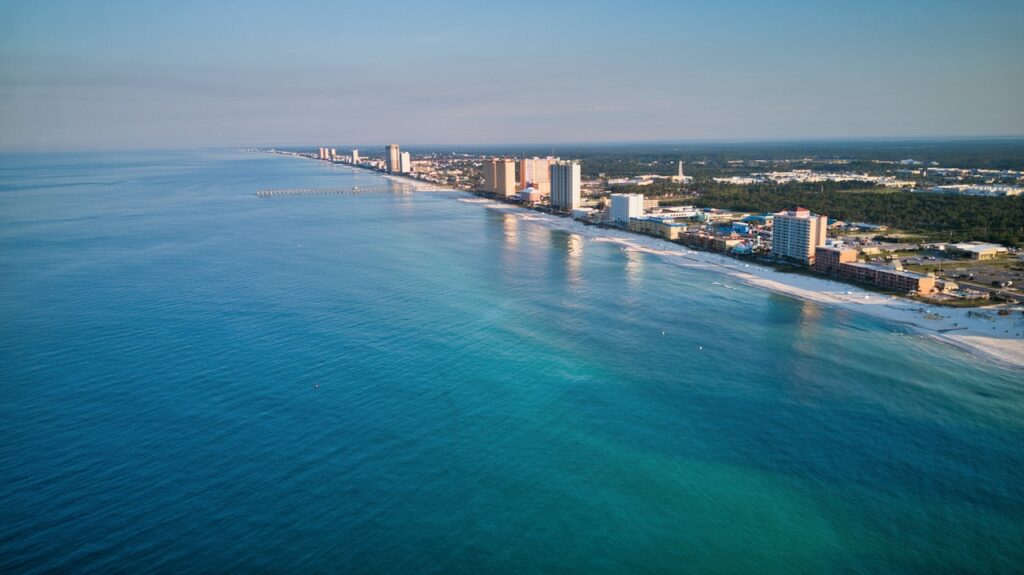
As an American who has lived in Spain for a total of 5 years, I am a huge fan and cannot rave about it more as a place to call home. I am sitting in the south of Spain currently writing this blog post for you and there are so many beautiful options for you to live so affordably (if that is important for you)! I have contacts on the ground all over Spain so just shoot me an email if you would like an introduction to my real estate agents or recommended lawyers. My email is shawna@moveoverseasnow.com – From the Costa del Sol region which is west of Malaga — you can find properties for rent with sea views from 800-1000 euro. And the costs for living can be kept under 500-1000 euro after paying rent.

Living in Spain as a Foreigner: A Guide to Costs and Lifestyle
Spain has always been a popular destination for tourists, but for many, it's also a great place to call home. Whether you're looking to retire or simply want to experience a new way of life, living in Spain as a foreigner can be an exciting and enriching experience. As a foreigner, especially coming from the USA, there are certain costs to consider when moving to Spain. In this blog post, we'll explore the costs involved in moving to Spain and what you can expect from the Spanish lifestyle.
Costs of Living in Spain as a Foreigner
One of the biggest concerns for foreigners moving to Spain is the cost of living. The good news is that Spain is generally an affordable place to live, especially when compared to other European countries. However, the cost of living can vary greatly depending on where you live in Spain and your lifestyle.
Housing: When it comes to housing, the cost will depend on the location and the type of property you're looking for. In general, the cost of renting or buying a property in Spain is lower than in the USA. A one-bedroom apartment in a city center can cost around €600-800 per month, while a three-bedroom apartment outside the city center can cost around €900-1,200 per month.
Utilities: The cost of utilities in Spain is generally lower than in the USA. For example, the average monthly cost of electricity, gas, and water for a small apartment is around €80-100.
Food: Spain is known for its delicious cuisine, and eating out can be an affordable option. A three-course meal for two people in a mid-range restaurant can cost around €40-50. Groceries are also affordable, with the average weekly cost for a couple being around €50-70.
Transportation: Public transportation in Spain is affordable, with a single metro or bus ticket costing around €1.50. Owning a car can be more expensive due to taxes and insurance, but gasoline is cheaper than in the USA.
Healthcare: Spain has a public healthcare system that is affordable and of high quality. To access public healthcare as a foreigner, you'll need to register with the Spanish Social Security system and pay a monthly fee.
Spanish Lifestyle
Living in Spain as a foreigner can be a unique experience, with a laid-back lifestyle and a vibrant culture. The Spanish are known for their love of food, wine, and socializing, making it easy to meet new people and make friends.
Language: Spanish is the official language of Spain, but many Spaniards also speak English, especially in tourist areas. Learning Spanish can be a great way to immerse yourself in the culture and make new friends.
Culture: Spain is known for its rich history and culture, with festivals, music, and dance being an integral part of daily life. From flamenco to bullfighting, there's always something to experience in Spain.
Climate: Spain enjoys a Mediterranean climate, with mild winters and hot summers. The weather is one of the main reasons why many people choose to move to Spain.
Conclusion
Living in Spain as a foreigner can be an exciting and enriching experience. While there are costs to consider when moving to Spain, the overall cost of living is generally lower than in the USA. The Spanish lifestyle is unique, with a laid-back attitude and a vibrant culture. Whether you're looking to retire or simply want to experience a new way of life, Spain is a great place to call home.
Are you ready to make your dream a reality in Spain?
Ready to Make the Move?
Join the “Abroad in a Year” Masterclass
Are you feeling overwhelmed and uncertain about your move overseas? Researching and planning every detail on your own can be a time-consuming and stressful process.
Join the Abroad in a Year Masterclass, where we’ll guide you through the process of making your move abroad a reality. From visas and residency programs to finding your dream destination, this masterclass has everything you need to start your journey.
Whether it’s Portugal, Spain, Panama, or beyond, this masterclass will help you save hundreds of hours of research and thousands of dollars by giving you a clear, actionable plan to relocate successfully.
Don’t wait for the perfect moment—create it!
Let’s make your dream a reality together!
Frequently Asked Questions
Can Americans live in Spain long term?
Yes, but Americans who want to live in Spain long term generally need an appropriate visa or residence authorization. The best pathway depends on whether you plan to retire, work remotely, work locally, study, or join qualifying family members. A short-stay visit is not the same as permission to establish long-term residence in Spain.
What visas can Americans use to live in Spain?
Two common pathways are Spain’s Non-Lucrative Residence Visa and its Telework or Digital Nomad Visa. The Non-Lucrative Visa is intended for people with sufficient financial means who plan to live in Spain without carrying out gainful work, while the Telework Visa is designed for qualifying remote workers and professionals working primarily for companies outside Spain. Other employment, study, family, and residence pathways may also apply.
Can I work remotely from Spain for a U.S. company?
Potentially, yes. Spain has an international telework pathway for qualifying non-EU nationals who work remotely for companies outside Spain. Employees generally work for companies outside Spain, while qualifying self-employed professionals may perform a limited portion of their professional activity for Spanish companies under the applicable rules.
Can I work remotely on Spain’s Non-Lucrative Visa?
Spain’s Non-Lucrative Residence Visa is intended for residence without carrying out gainful work or professional activity. People planning to work remotely should investigate the Telework Visa or another residence pathway that expressly permits their activity rather than assuming the Non-Lucrative Visa is appropriate.
How much does it cost to live in Spain as a foreigner?
There is no single monthly figure that applies throughout Spain. Housing and everyday expenses can vary substantially by city, region, household size, lifestyle, and whether you live in a major urban center, coastal area, or smaller town. Build your budget around the specific place you are considering and use current local housing and living-cost information.
Can foreign residents use Spain’s public healthcare system?
Potentially, but access depends on factors such as legal residence, employment, Social Security coverage, and whether healthcare coverage must be demonstrated through another route. Some residence pathways require applicants to provide qualifying health insurance. Before moving, confirm which healthcare arrangement applies to your specific residence status.
What is the difference between an NIE and a TIE in Spain?
The NIE, or Número de Identidad de Extranjero, is the identification number assigned to a foreigner for dealings with Spanish authorities and other administrative or economic matters. The TIE, or Tarjeta de Identidad de Extranjero, is the physical foreigner identity card that documents a person’s legal residence status in Spain when required. They are related, but they are not the same thing.
Will I become a Spanish tax resident if I move to Spain?
Possibly. Under Spain’s domestic rules, a person is generally considered tax resident if they spend more than 183 days in Spain during the calendar year or meet certain other residence tests, including circumstances involving the main center or base of their economic activities or interests. Tax treaties and individual circumstances can affect the final determination, so cross-border tax advice may be appropriate.
Is Spain a good place for Americans to retire?
Spain can appeal to American retirees because of its lifestyle, climate, culture, transportation, healthcare options, and wide range of cities and regions. Retirees should also evaluate residence eligibility, financial requirements, healthcare arrangements, taxes, and housing costs before choosing Spain. The Non-Lucrative Residence Visa is one pathway that may suit qualifying people who have sufficient financial resources and do not intend to work.