
How Much Does It Cost to Live in Portugal?
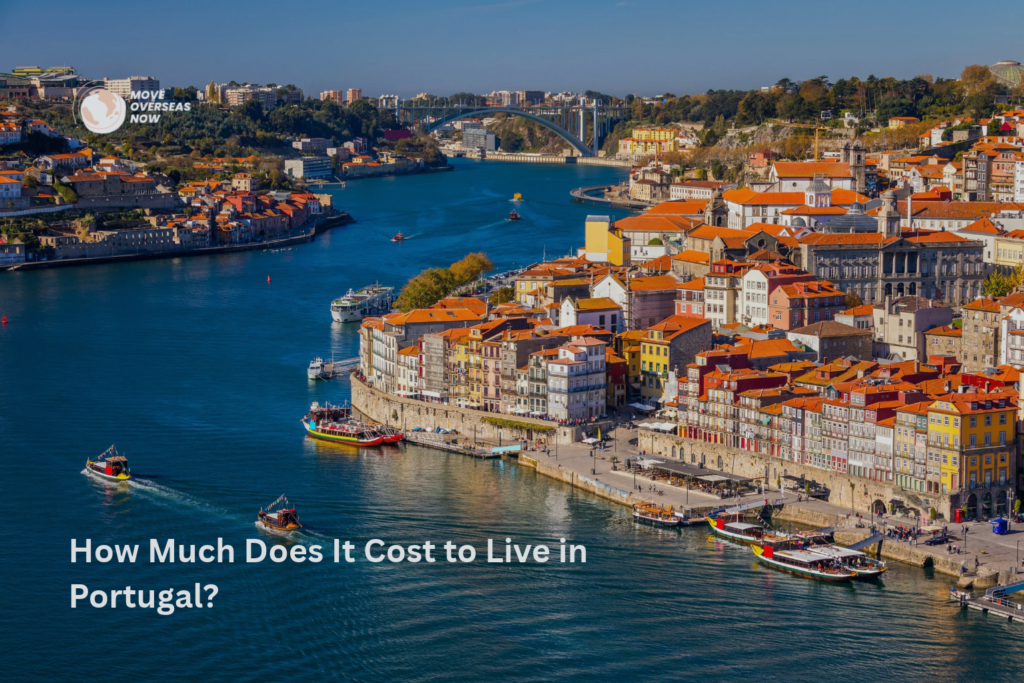
The cost of living in Portugal in 2026 is lower than most Americans expect, and that gap is real across every major spending category, not just rent. Many Americans can live comfortably on $2,000 to $2,800 per month as a single person, or $3,000 to $4,000 as a couple, depending on the city and lifestyle. That covers rent, groceries, utilities, healthcare, and transport, a full, comfortable life, not a stripped-down survival budget. By comparison, those same expenses run significantly higher in cities like Austin ($2,700–$3,400), Miami ($3,200–$4,000), or New York ($4,000–$5,500+). Below is a complete, city-by-city breakdown so you can pressure-test these numbers against your own situation right now.
The 2026 average USD-to-EUR exchange rate sits at approximately €0.877 per dollar, according to monthly averages tracked through November 2026, meaning your income still carries real weight in Portugal. The savings compound across every category, not just rent. Groceries run 20 to 30% below U.S. averages, a monthly transit pass starts at €30, and utilities typically land between €125 and €200 per month. That is what separates Portugal from most popular expat destinations: it is not one cheap thing; it is everything being more affordable at once.
Key takeaways
- Rent varies by city: Lisbon averages €1,350 per month for a one-bedroom; Porto averages €1,000; the Algarve ranges from €800 to €1,200 depending on location and season.
- Total monthly costs are significantly lower: Portugal's national average for a single person runs about $1,735 to $1,780 per month, compared to $2,700 to $4,000 or more in Austin, Miami, and New York.
- Healthcare is nearly free for legal residents: Registration with Portugal's public SNS system costs nothing; private insurance for a 40-year-old runs roughly €70 to €77 per month.
- Public transit is remarkably affordable: A monthly pass in Lisbon starts at €30; Porto's runs €40 to €50. Many expats skip the car entirely and save significantly, car ownership at 10,000 kilometers per year runs €1,700 to €2,600 annually before tolls and parking.
- Groceries cost 20 to 30% less: Shopping at Lidl, Pingo Doce, or local markets keeps food costs well below U.S. averages for most household sizes.
- Neighborhood choice matters enormously: Skipping Lisbon's tourist-heavy center for areas like Arroios or Benfica can cut rent by hundreds of euros each month.
Cost of living in Portugal: rent in Lisbon, Porto, and the Algarve
Rent is your biggest monthly expense in Portugal, and it is also the most variable line item in your budget. The good news is that even Lisbon, Portugal's most expensive rental market, sits well below comparable European capitals. Here is what 2026 asking-rent averages actually look like across the three most popular destinations for American expats.
Lisbon: Portugal's most expensive rental market
A one-bedroom apartment in Lisbon averages around €1,350 per month in 2026, with two-bedrooms running approximately €1,850. Those figures climb quickly in neighborhoods like Príncipe Real and Chiado, where international demand pushes prices toward the upper end. If staying central matters but budget also matters, Arroios offers one-bedrooms for roughly €1,000 to €1,300 with solid metro access and a lively international atmosphere. For lower rents, areas like Benfica, Olivais, and Santa Clara are worth exploring, one-bedrooms in Santa Clara have been reported around €775, and Benfica consistently attracts families looking for practical city living at a lower cost per square meter.
Porto: a cosmopolitan city at a friendlier price point
Porto's 2026 averages come in meaningfully lower: approximately €1,000 for a one-bedroom and €1,350 for a two-bedroom. The city's growing expat appeal has put upward pressure on the historic center, but neighborhoods like Paranhos, Ramalde, and Vila Nova de Gaia still offer strong value. Across the river in Gaia, a 60-square-meter one-bedroom typically rents for around €775 per month. Matosinhos, with beach access and flat streets, is another solid option that often comes in below central Porto prices and gives you a coastal lifestyle without the coastal premium.
Algarve: coastal living with seasonal swings
Algarve rents for a one-bedroom range from €800 to €1,200, with two-bedrooms running €1,100 to €1,700. The gap between inland towns and prime coastal resorts is real and meaningful: a property in Faro or Tavira will be priced very differently from one in a tourist-heavy resort town. Summer demand pushes rents sharply higher on short-term contracts, so if you want coastal living at a stable price, negotiate a long-term lease directly with a landlord. That approach protects you from seasonal surges and typically results in a noticeably lower monthly rate than what short-term rental platforms advertise.
How the cost of living in Portugal compares to U.S. cities
Looking at rent alone understates the actual savings. Portugal's grocery costs run 20 to 30% below U.S. averages, healthcare is dramatically cheaper for legal residents, and affordable public transit means many expats never need a car. When those categories stack together, the monthly gap between a U.S. city and a Portuguese city becomes substantial.
| Location | Estimated monthly cost (single person) |
|---|---|
| Portugal, national average | $1,735–$1,780 |
| Lisbon or higher-cost Portuguese areas | $2,200–$2,800 |
| Phoenix | $2,400–$3,000 |
| Austin | $2,700–$3,400 |
| Miami | $3,200–$4,000 |
| New York City | $4,000–$5,500+ |
At 2026 exchange rates, a one-bedroom in central Lisbon at approximately €1,350 converts to roughly $1,540, meaningfully less than a comparable apartment in Phoenix, let alone Miami or New York. For a couple, the savings are even more striking: comparable living expenses in Porto regularly come in at €2,400 to €3,100 per month, a figure that reflects the compounding effect of lower housing, food, transit, and healthcare costs across the board. That is not an aspirational number; it is what the data consistently shows.
Join the free masterclass and learn how to match your income and situation to the right path.
Groceries, utilities, and dining: the everyday costs most people underestimate
People focus on rent when they budget for a move, then get caught off guard by how much day-to-day spending shapes the total. Here is what to realistically expect across the three categories that surprise most Americans planning a Portugal move.
What you'll spend at the grocery store
A single person shopping at Continente or Pingo Doce typically spends €200 to €350 per month on groceries in 2026. A couple lands around €350 to €550, and a family of four generally falls in the €600 to €900 range. Choosing Lidl or Aldi over larger chains can reduce your bill by roughly 15%, and buying seasonal produce at local markets trims costs further, especially outside central Lisbon and the coastal Algarve. For planning purposes, budgeting €300 for a single person, €475 for a couple, or €800 for a family of four gives you a solid, realistic baseline.
Utilities and internet
Budget €125 to €200 per month for electricity, water, gas or heating, and fibre internet combined. Fibre internet alone runs €25 to €45 per month. Lisbon and Porto apartments typically land closer to €160 to €200 total; smaller inland cities tend toward €130 to €170. Older buildings with poor insulation can push electricity noticeably higher in winter, so it is worth asking about the heating setup before you sign a lease.
Eating out: what a meal actually costs
A casual sit-down meal for two at a local restaurant costs €20 to €35, and a mid-range three-course dinner for two runs €50 to €60 before drinks. Add a bottle of wine and you are realistically at €65 to €90 for two, still very favorable compared to dinner out in most U.S. cities. A coffee and a pastel de nata at a neighborhood café costs about €1.50 to €2.00. Dining out feels like a treat rather than an expense you have to track.
Transportation and healthcare: two categories that surprise most Americans
These two areas tend to produce the biggest surprises during budget planning, and both can be dramatically cheaper than what you are used to in the U.S., as long as you understand how the systems work.
Getting around Portugal without spending a fortune
A monthly transit pass in Lisbon costs €30 for the city network or €40 for the metropolitan area. Porto's monthly pass runs €40 to €50. A single metro or bus journey in Lisbon is €1.90. In both cities, a car is a cost, not a necessity: maintaining one at 10,000 kilometers per year runs a baseline of €1,700 to €2,600 annually for insurance, fuel, road tax, and maintenance, before tolls and parking are factored in. For most expats settling in Lisbon or Porto, the math heavily favors using public transit, at least for the first year.
Healthcare: what residents can actually access
Legal residents in Portugal can register with the SNS, the country's public health system, at no cost. SNS covers primary care consultations, specialist referrals, public hospital treatment, emergency care, maternity care, and subsidized prescriptions. A non-referred emergency visit may cost €14 to €18. The main gaps are dental care, routine optical care, and some mental health services, which are largely out of pocket and push most expats toward supplemental private coverage.
Private insurance costs vary by age and coverage level. A 40-year-old typically pays €70 to €77 per month for a standard plan with outpatient care, or €80 to €150 per month for comprehensive coverage. A younger single person may spend just €20 to €60 per month on basic private cover. A couple or older resident should plan for approximately €170 to €300 or more per month, depending on age and the scope of the plan. For context, U.S. individual health insurance premiums vary widely depending on employer contributions and plan type, but for many Americans paying full market rates, these Portugal figures represent a meaningful reduction.
Building a realistic monthly budget for Portugal
Pulling all of these numbers together into one monthly total is where most people get stuck. Here are realistic all-in figures by household size and city, based on a modest-to-comfortable lifestyle with long-term rental, public transportation, mostly home-cooked meals, and basic private health insurance included.
| Household | Porto or similar city | Lisbon | Algarve (varies by area) |
|---|---|---|---|
| Single person | €1,700–€2,200 | €2,000–€2,600 | €1,300–€2,000 |
| Couple | €2,400–€3,100 | €3,000–€3,800 | €1,900–€2,800 |
| Family of four | €3,500–€4,500 | €4,200–€5,500 | €2,800–€4,000 |
These figures cover rent, groceries, utilities, transport, and basic private health insurance. They do not include one-time setup costs like visa fees, international shipping, or first-and-last-month rent deposits, so add a buffer when projecting your first three to six months on the ground. International school tuition, car ownership, and U.S. tax obligations are also separate line items to plan for if they apply to your situation.
If these numbers feel closer to real than you expected, the free Move Overseas Now masterclass is a smart next step. It walks you through how to build a Portugal budget specific to your income, timeline, and lifestyle, so you are working with an actual plan rather than national averages. You can also book a one-on-one coaching call to talk through your situation and explore your best path forward.
The numbers work for more people than expect
The cost of living in Portugal in 2026 is lower across every major category than most U.S. metros, not just rent, but groceries, healthcare, dining, and transit. Lisbon sits at the higher end for expats, while Porto and the Algarve offer even more room to stretch your dollars. The gap between what you spend now and what you would spend in Portugal is real, and for most people, it is larger than they assumed before running the actual numbers.
Here is the thing: the biggest mistake people make is treating a move to Portugal as something only people with significant savings or a golden visa can pull off. For many Americans, the numbers work at a standard retirement income, a remote job, or even a modest freelance income. The information is there. The options are real. It just takes a clear look at the actual figures to see what is possible.
If you are ready to move from wondering whether this is possible to actually planning it, start with the free Move Overseas Now masterclass. It covers visa options, realistic timelines, and exactly how to build a budget that fits your specific life. There is always a path, and we are here to help you find yours.
Frequently Asked Questions
How much should we budget for the first few months after arriving in Portugal?
You should budget extra for one-time setup costs beyond monthly living figures. These include visa fees, international shipping, and first-and-last-month rent deposits, so add a buffer when projecting your first three to six months on the ground.
What one-time costs should we plan for when moving to Portugal?
Plan for visa fees, international shipping, and first-and-last-month rent deposits as part of your initial costs. Add a buffer for the first three to six months on the ground, and remember international school tuition, car ownership, and U.S. tax obligations are separate line items if they apply to you.
What does the public health system cover and what will we likely need private insurance for?
The public SNS system covers primary care, specialist referrals, public hospital treatment, emergency care, maternity care, and subsidized prescriptions for legal residents. The main gaps are dental care, routine optical care, and some mental health services, which tend to be paid out of pocket and often push people toward supplemental private coverage.
Is the D7 passive income visa still a realistic option for Americans and what does it require?
Yes, the D7 visa remains available and is a realistic route for retirees and people with dividends, rental income, or investment returns. We highlight that it commonly requires roughly 16 months in Portugal over the initial two-year period and that physical presence can affect tax residency.