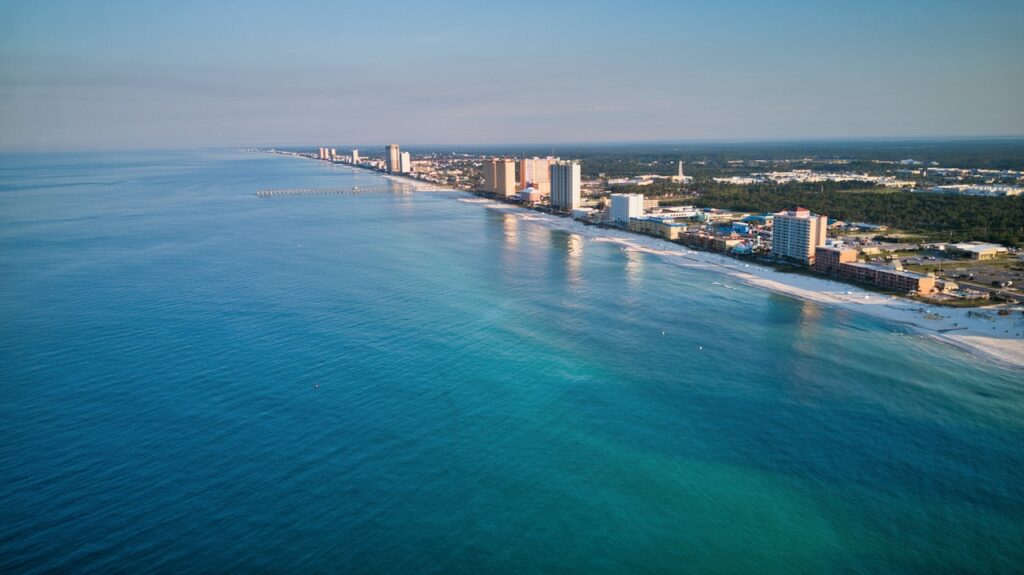
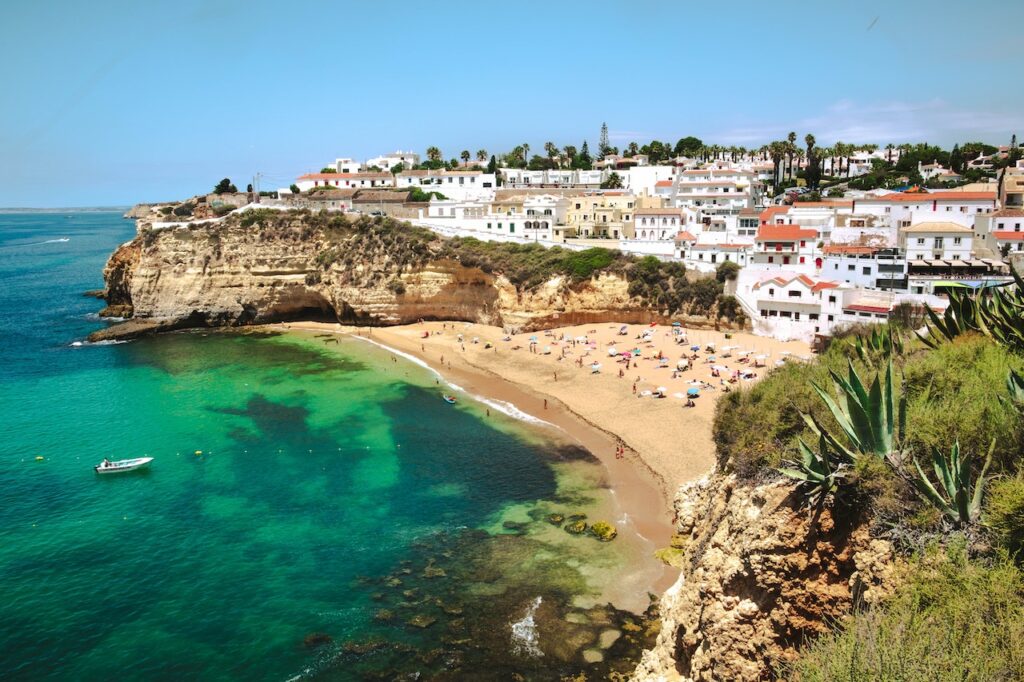
Portugal has become an increasingly popular destination for folks over the past few years. With its warm climate, beautiful beaches, and vibrant culture, it's an ideal location for remote workers looking for a change of scene. However, it's important to know what kind of visa is required before making the move and know how to stay legally. In this post, we’ll take a look at some visa options in Portugal.
The D7 Visa
The D7 visa is a popular visa option for people in Portugal. It is for individuals wishing to live off their own income, rent property in Portugal and don’t require the need to work in the country. This visa lasts for up to two years and can be renewed for an additional three years. After the five-year period, you may be eligible for a permanent residency.
To qualify for this visa, you’ll need to prove that you have the financial means to sustain yourself while living in Portugal without working. You’ll need to have monthly income of around €680 or €8,164 on a yearly basis. This income can come from investments, pensions, or other sources. You’ll also need to demonstrate that you have health insurance and accommodation in Portugal.
Many lawyers suggest that if you are a digital nomad applying that you apply for the Digital Nomad visa in Portugal
The Startup Visa
Another great digital nomad visa is the Startup Visa, which is perfect if you’re planning to start your own business in Portugal. This visa is designed to attract innovative startups to the country, offering a faster and more streamlined approach to starting and building a company.
To qualify for this visa, your business will need to meet certain criteria, including:
- Being innovative in nature
- Providing a clear path to the market or employment
- Demonstrating potential for job creation and economic growth
Once you’ve secured your Startup Visa, you’ll be able to stay in Portugal for a year with the possibility of a two-year extension. During this time, you’ll build up your business and eventually become eligible for permanent residency.
Other Visa Options
In addition to these options, you may also be able to apply for a Schengen Visa or a Non-Habitual Resident (NHR) Visa in Portugal, depending on your circumstances. Schengen visas are perfect for short-term stays and NHR visas are ideal for those who work remotely for foreign companies.
Schengen Visa
If you're a citizen of one of the countries within the European Union (EU), European Economic Area (EEA), or Switzerland, you're able to move and work within Portugal without a visa. However, if you're from a country outside of these areas, you'll need to obtain a Schengen Visa. This visa allows you to work or study in Portugal and the other 25 countries within the Schengen Area for up to 90 days within a 180-day period.
Non-Habitual Resident (NHR) Program
Portugal's Non-Habitual Resident (NHR) program is another option for digital nomads. It offers tax benefits to foreigners who live in Portugal for more than 183 days per year. Under this program, you'll be able to take advantage of a 20% flat tax rate on most foreign-sourced income, including income from dividends, interest, and capital gains. This program is especially beneficial for digital nomads who work for companies outside of Portugal.
Portugal is a great destination for digital nomads, but when it comes to staying legally, you’ll need to apply for a visa that best suits your needs and qualifications. Whether it’s the D7 Visa, the Startup Visa, or other options, there’s a visa that’s perfect for you. Whatever you choose, make sure to plan ahead and start your application process well in advance so you can experience the most of this beautiful country without any legal hassles.
Ready to Make the Move?
Join the “Abroad in a Year” Masterclass
Are you feeling overwhelmed and uncertain about your move overseas? Researching and planning every detail on your own can be a time-consuming and stressful process.
Join the Abroad in a Year Masterclass, where we’ll guide you through the process of making your move abroad a reality. From visas and residency programs to finding your dream destination, this masterclass has everything you need to start your journey.
Whether it’s Portugal, Spain, Panama, or beyond, this masterclass will help you save hundreds of hours of research and thousands of dollars by giving you a clear, actionable plan to relocate successfully.
Don’t wait for the perfect moment—create it!
Let’s make your dream a reality together!
Frequently Asked Questions
Does Portugal have a Digital Nomad Visa?
Yes. Portugal has a specific residence-visa pathway for people who perform their employment or independent professional activity remotely for individuals or companies located outside Portugal. The framework applies to qualifying remote employees as well as independent professionals.
Can Americans apply for Portugal’s Digital Nomad Visa?
Yes. U.S. citizens can apply if they meet Portugal’s requirements for remote work, income, documentation, and the other conditions applicable to the residence visa. Applicants must demonstrate an employment relationship or qualifying independent professional activity performed remotely for entities outside Portugal.
How much income do I need for Portugal’s Digital Nomad Visa?
Portugal ties the financial requirement for this pathway to the country’s minimum monthly wage. Applicants generally need to demonstrate average monthly employment or self-employment income during the previous three months equal to at least four times the applicable Portuguese minimum wage. Because that benchmark can change, verify the current amount before applying.
Can both remote employees and freelancers qualify?
Yes. Portugal’s remote-work residence pathway applies to both employees and independent professionals. Employees can demonstrate their relationship with an employment contract or employer declaration, while independent professionals can use documents such as service contracts or other evidence of professional activity for entities outside Portugal.
What documents are required for Portugal’s Digital Nomad Visa?
Requirements depend on the application and consular circumstances, but applicants generally need evidence of their remote employment or professional relationship, proof of qualifying income, tax-residence documentation, identification documents, and other immigration materials required for the application. Additional documents are normally required when completing the residence process in Portugal.
How long is Portugal’s Digital Nomad residence permit valid?
Portugal’s temporary residence authorization for qualifying remote work is currently issued for two years and can generally be renewed for successive periods of three years, provided the applicable requirements continue to be met.
Is the D7 Visa the same as Portugal’s Digital Nomad Visa?
No. They are different residence pathways. Portugal’s D7-type residence route is intended primarily for retirees and people living from their own income, while Portugal separately provides a residence pathway for qualifying employment or professional activity performed remotely for entities outside Portugal. Remote workers should determine which pathway actually matches their circumstances.
Is Portugal’s NHR program a visa for digital nomads?
No. Portugal’s former Non-Habitual Resident program was a tax regime, not an immigration visa. The original NHR regime was repealed for most new entrants beginning in 2024, subject to transitional rules for some taxpayers. Immigration status and Portuguese tax status should therefore be evaluated separately.
Can I use a Schengen tourist stay instead of a Digital Nomad Visa?
A short Schengen stay is not a substitute for legal long-term residence in Portugal. Visiting Portugal temporarily and establishing residence while performing ongoing remote work are different immigration situations. Anyone planning to relocate should use the visa or residence pathway appropriate to the purpose and duration of the stay.
Does Portugal’s Digital Nomad Visa lead to permanent residence or citizenship?
The remote-work residence authorization is a temporary residence permit. Permanent residence and Portuguese citizenship are separate legal processes with their own eligibility requirements, so obtaining a Digital Nomad residence permit does not automatically guarantee either outcome.