
How to Move to Spain on a Student Visa Without Big Savings
If moving abroad has been on your heart for a while, you’ve probably had the same thought that stops so many people before they ever begin: I would love to do this, but I do not have everything lined up yet.
Maybe you do not have a remote job. Maybe you do not have six figures in savings. Maybe you are not 22 and eager to sit in a lecture hall again. Maybe you simply know that your current life in the U.S. feels too expensive, too stressful, or too small for the person you are becoming.
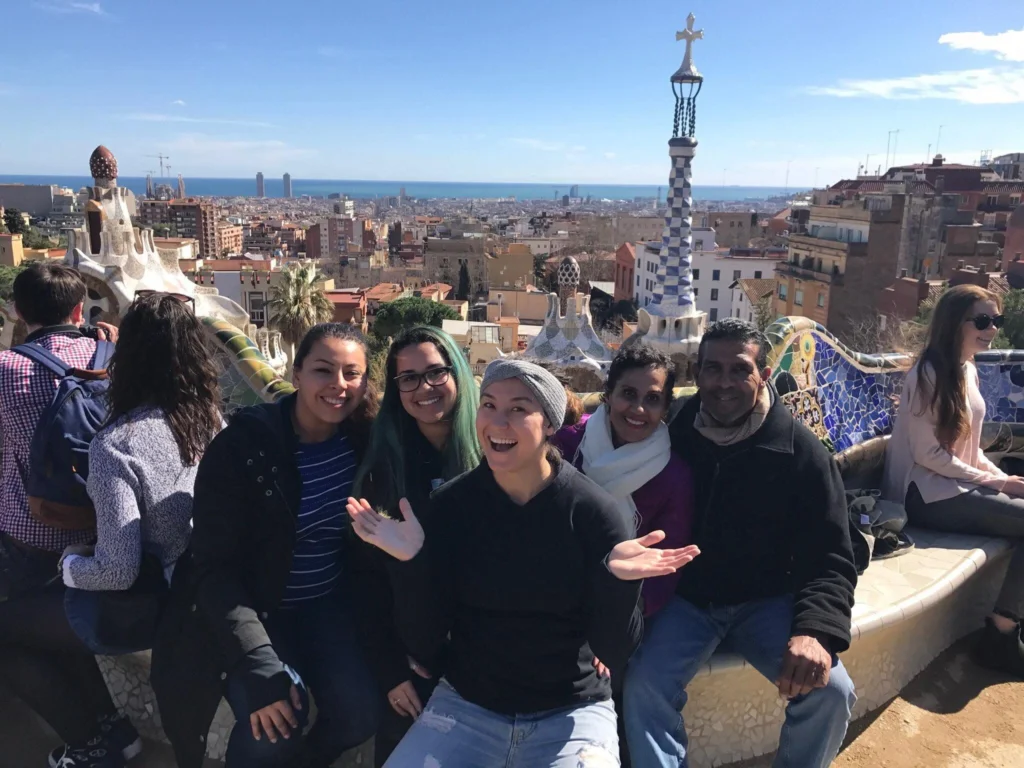

Why so many Americans want to move to Spain on a student visa

What “student” really means in this context

You may not need a traditional degree program
This path can work for different ages and life stages
Why this route can feel more realistic if you do not have big savings
Lower day-to-day costs can create breathing room
You can build your next chapter step by step
Common fears that stop people before they start
“I’m too old for this”
“I need to know exactly what comes after the visa”
“I need a perfect job before I go”
“If I don’t have huge savings, I’m being reckless”
How to decide whether this path fits you
Do you want a legal first step more than a perfect long-term plan?
Are you open to using study as a bridge?
Would living in Spain make your broader life goals easier to build?
Are you willing to verify details and do real planning?
Practical steps to prepare before you move to Spain on a student visa
Step 1: Clarify your real goal
Are you trying to spend a season abroad? Build a longer-term life in Europe? Lower your cost of living? Create more freedom? Escape burnout? Knowing the real emotional driver behind your move will help you make smarter decisions.
Step 2: Research current visa requirements through official channels
Rules change. Required documents vary. Financial proof, processing times, health insurance rules, and program qualifications may be handled differently depending on where you apply and your specific circumstances. Start with official government resources and the Spanish consulate that has jurisdiction over your residence.
Step 3: Explore approved programs that fit your life
Do not choose a program only because it seems like the fastest route. Choose one you can realistically complete and live with. Language schools, academic programs, or professional study options each create different experiences.
Step 4: Build a real budget
List your likely pre-move costs, arrival costs, monthly living costs, and emergency cushion. Include more margin than you think you need. A calm move is almost always a better move.
Step 5: Think through your first 90 days
Where will you live at first? How will you handle paperwork? What support system will you have? How will you manage health insurance, communications, transportation, and basic routines? The smoother your landing, the more confident you will feel.
Step 6: Make space for transition, not perfection
You may not feel instantly “settled.” That is normal. Moving abroad often comes with excitement, grief, awkwardness, homesickness, expansion, and growth all at once. Give yourself room to be in process.
Step 7: Get support if you need help mapping the move
You do not have to figure this out alone. If you want help understanding visa pathways, comparing options, or building a realistic timeline, getting guidance can save you time, stress, and expensive detours.
What life can open up once you are on the ground

Final thoughts: you do not need to have it all figured out before you begin
LIVE FREE MASTERCLASS
Frequently Asked Questions
Do I need a huge amount of savings to get a Spain student visa?
No specific “huge savings” balance applies to everyone, but you do need to demonstrate sufficient financial means under Spain’s current rules. The requirement is tied to Spain’s IPREM income benchmark and the length of your authorized stay. Depending on your circumstances and consular requirements, acceptable evidence may include your own funds, qualifying financial aid or scholarships, financial support from a parent or guardian, or support provided by an educational institution.
How much financial proof does Spain require for a student visa?
Spain generally requires the principal student to demonstrate resources equal to 100% of the applicable monthly IPREM benchmark for the relevant period. Additional amounts are required for accompanying family members. Because IPREM and consular procedures can change, check the current amount with the Spanish consulate or official authority handling your application rather than relying on an older fixed euro figure.
Can someone else financially support my Spain student visa application?
Potentially, yes. Spanish consular guidance allows financial support to be demonstrated in several ways, and some consulates accept documented support from a parent or legal guardian. The sponsor may need to provide a notarized commitment, proof of the relationship, identification, bank statements, and other supporting documents. Always follow the exact requirements of the consulate handling your application.
Can scholarships or financial aid count toward the financial requirement?
Yes, qualifying scholarships, financial aid, loans, or other documented economic support may be accepted as evidence of financial means when they meet the applicable requirements. An educational institution may also provide documentation showing that it is covering certain living expenses. The documentation should clearly establish what costs and period the funding covers.
Does prepaid accommodation reduce how much money I need to prove?
It can. Current Spanish rules allow prepaid accommodation for the full relevant stay to be taken into account when evaluating the financial requirement. The documentation must adequately prove that the accommodation has actually been paid in advance, so confirm what evidence your consulate expects before relying on this option.
Do I have to enroll in an expensive university degree to qualify?
Not necessarily. Spain’s study framework covers several qualifying types of education and training, not only traditional university degrees. Depending on the category, eligible activities can include higher education, certain secondary education, specified training programs, and qualifying language studies. The program and institution must satisfy Spain’s current immigration requirements, so choosing a course simply because it is inexpensive does not guarantee visa eligibility.
Can a Spanish language course qualify for a student visa?
Certain language-study programs can qualify. Under current rules, this can include in-person Spanish study at an official language school or at a center in Spain accredited by the Instituto Cervantes, provided the applicable immigration requirements are met. Verify the school’s eligibility before paying tuition or planning your move.
Can I work while studying in Spain to help cover my expenses?
Some study authorizations include work rights, but you should not rely on future earnings to replace the financial proof required for your initial application. Under current rules, qualifying higher-education study authorizations automatically allow compatible employed or self-employed work, generally up to 30 hours per week. Other study and training categories can have different rules.
What other expenses should I budget for besides financial proof?
Plan for more than the minimum amount required for the visa. Depending on your situation, costs can include tuition or enrollment fees, health insurance, visa and administrative fees, apostilles, certified translations, background checks, travel, housing deposits, transportation, and your first months of living expenses. An emergency cushion is also wise even when you meet the formal visa requirement.
How early should I start preparing a Spain student visa application?
Start well before your intended move. Current rules generally require student visa applications to be submitted at least two months before the study or activity begins, subject to limited exceptions. Obtaining admission, paying required enrollment fees, arranging insurance, gathering financial records, obtaining apostilles, and completing translations can all add time to the process.